
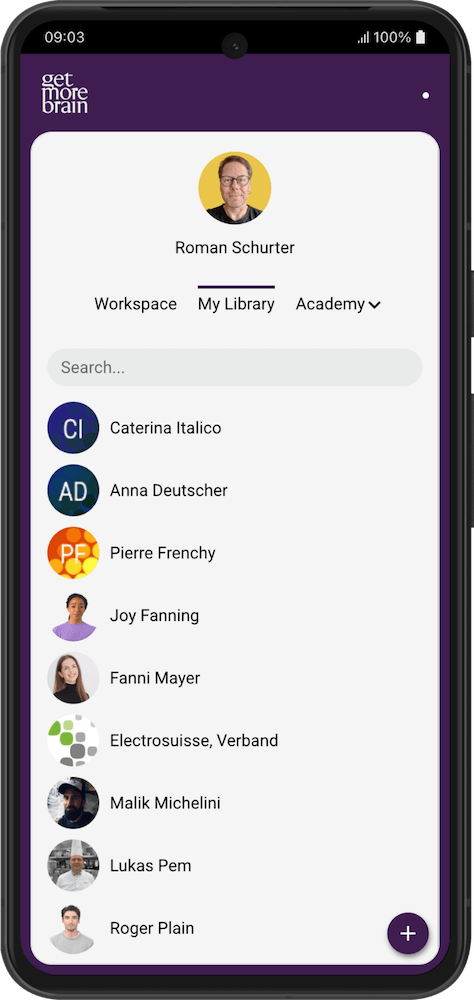
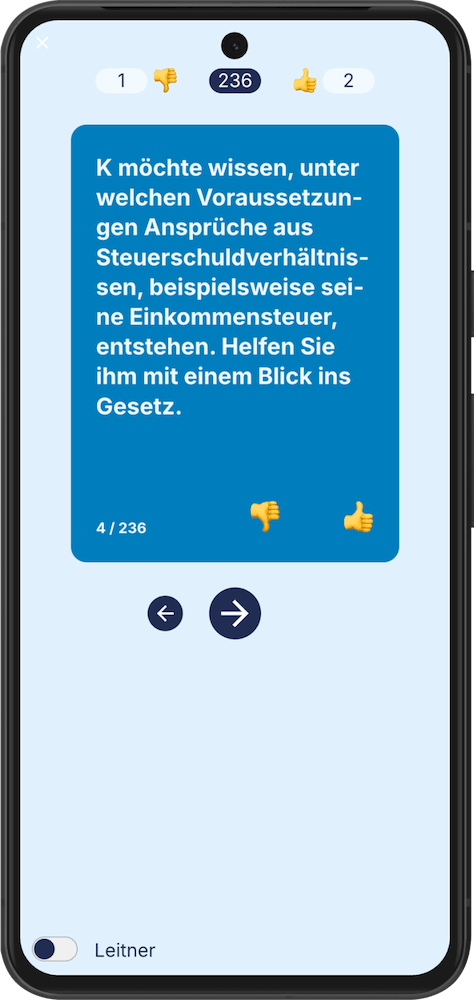
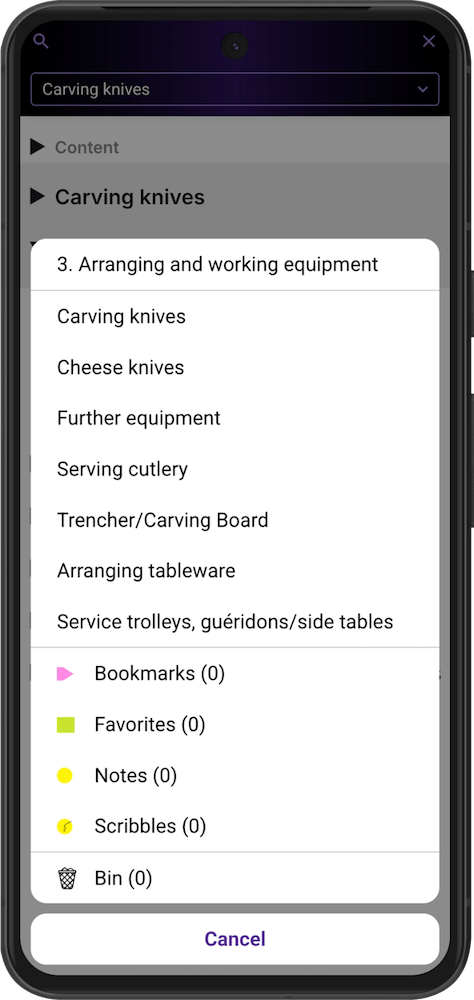
Print-on-Request gives you the power to offer physical copies of your digital content whenever your users need them – bridging the gap between digital flexibility and tangible accessibility.
Digital First, Print When Needed
Your content lives digitally, optimized for AI integration, active learning, and multi-context usage. But when users need a printed version – whether for offline reading, presentations, or environments without digital access – publishers can enable print options. Control exactly what gets printed: individual content bits, specific sections, or entire books. Print-on-request seamlessly integrates into your digital workflow while respecting your content distribution strategy.
Why This Transforms Content Distribution
Traditional publishing forced an either-or choice: digital or print. This feature eliminates that constraint. Publishers maintain control over their content while giving users flexibility for different contexts. Students can print study materials for exam prep without screens. Professionals can create physical handouts for client meetings. Trainers can provide offline resources for fieldwork. The content remains primarily digital – searchable, updatable, and AI-ready – but physical copies become available exactly when circumstances demand them. This solves the real-world problem that digital isn’t always practical, without sacrificing the advantages of digital-first content management. Long-term value comes from meeting users where they are, whether that’s on a device or on paper.
Beyond Traditional Print-on-Demand
Unlike conventional print-on-demand services that treat print as the primary format, this feature inverts the model. Your content stays digital by default, maintaining the modular, bit-based structure that makes it powerful for active learning and collaboration. Publishers control printing permissions at the granular level – something impossible with traditional e-books or PDFs. This aligns with the platform’s “produce once, publish everywhere” philosophy: create content in bitmark once, then distribute it digitally through the Reader, share specific bits via Messenger, save portions to notebooks, and enable print when users genuinely need physical copies. It’s not print-on-demand – it’s print-on-request, keeping digital primacy while acknowledging that sometimes paper still serves a purpose.